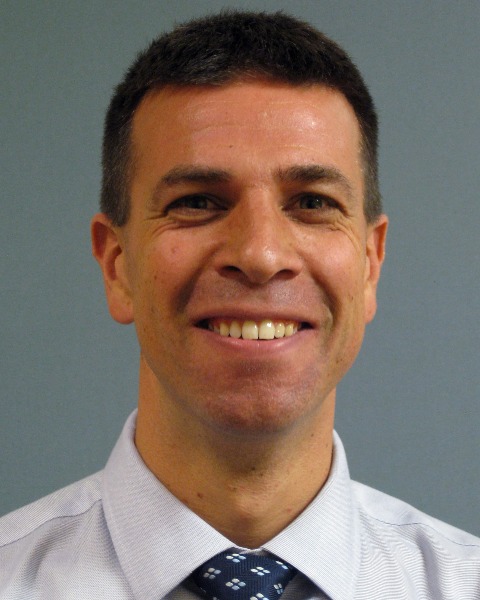
Clinical Investigator Kaiser Permanente Division of Research Oakland, California, United States
Background/Case Studies: Blood donor and component processing characteristics may influence platelet transfusions outcomes.
Study
Design/Methods: Blood donor and component characteristics for single-unit apheresis derived platelet components were linked with recipients transfused between 6/1/2020 and 3/31/2022. Donor and patient factors included: sex, age, body mass index (BMI), ABO/Rh, and platelet count as well as donor SARS-CoV-2 nucleocapsid antibody (N-Ab) levels; component factors: platelet unit concentration and splits, pathogen reduction, platelet additive solution (PAS), irradiation, and storage duration. N-Ab levels were defined as negative (< 1), low (1-99), intermediate (100-150), or high ( >150). We used multivariable logistic regression to examine the association between donor and component factors with post-transfusion platelet count increments and 24-hour incidence of RBC transfusion following single-unit platelet transfusions.
Results/Findings: We linked data on 2,808 transfusion recipients who received one or more platelet transfusions (n=8,207 units). Donor age was 52 years (SD 15), BMI was 29 (IQR 26-33), and 62.9% of units were from males. The number of platelet splits per donation was 2 (IQR 1-2), storage duration was 4 days (IQR 3-5) and 16.6% of units were irradiated. 8.1% (665/8,207) of units were from N-Ab positive donors indicating prior SARS-CoV-2 infection. More than half of platelet units were pathogen reduced (n=4,570 [55.7%]) or stored in PAS (n=4,627; 56.4%).Recipient age was 64 years (SD 16) and 59.0% of recipients were male. Median pre-transfusion platelet count was 26 x 109 cells/L (IQR 10-49). Platelet increments > 20 x 109/L and 24-hour RBC transfusion occurred following 24.9% (2,044/8,207) and 37.7% (3,094/8,207) of platelet transfusion events, respectively.
Increasing donor BMI, blood type O, and high SARS-CoV-2 N-Ab levels were associated with increased adjusted odds of platelet increments > 20 x 109/L. Pathogen reduction, storage in PAS, and platelets storage greater than 4 days were associated with reduced adjusted odds of platelet increments. Single unit platelets and unit platelet count were associated with higher odds of increments and triple splits had lower increments versus double splits.
Increasing donor BMI and high SARS-CoV-2 N-Ab levels were associated with lower odds of a 24-hour RBC transfusion event. Pathogen reduction and irradiation were associated with increased odds of RBC transfusion. However, longer storage, storage in PAS, and unit platelet counts and splits were not associated with 24-hour RBC transfusion.
Conclusions: Blood donor demographics, SARS-CoV-2 N-Ab levels, and processing characteristics were associated with platelet increments and 24-hour RBC transfusion events after platelet transfusion. Future studies of the role of donor and component factors on platelet function could improve the effectiveness of platelet transfusions in clinical practice.